


Amazon Forgotten Fishes Report
How the remarkable diversity of freshwater fishes is critical to people, rivers and forest
What does it mean to be forgotten?
Amazon fishes are not forgotten by the Indigenous Peoples and river communities who have lived alongside these rivers for generations and depend on them. As Indigenous leader Fany Kuiru reminds us, in Indigenous worldviews, “no being in nature is ever forgotten.”
Yet these fishes have too often been overlooked in the policies, investments, and conservation priorities that shape their future.
To address these issues, across 54 authors and 43 institutions, we collaborated to create the Amazon Forgotten Fishes report. Spanning different voices and expertises, the report unifies around one shared message:
Make the forgotten impossible to ignore.

Fish in the Amazon continue to be overlooked despite their importance to ecosystems, cultures, and food security. This report aims to ensure that they are included in public policy and conservation agendas.
Fish are the Heart of the Amazon
Download the full report and executive summary, offered in English, Spanish, and Portuguese, on The Nature Conservancy's Conservation Gateway.
English
Download the full report or executive summary
Spanish
Download the full report or executive summary
Portuguese
Download the full report or executive summary
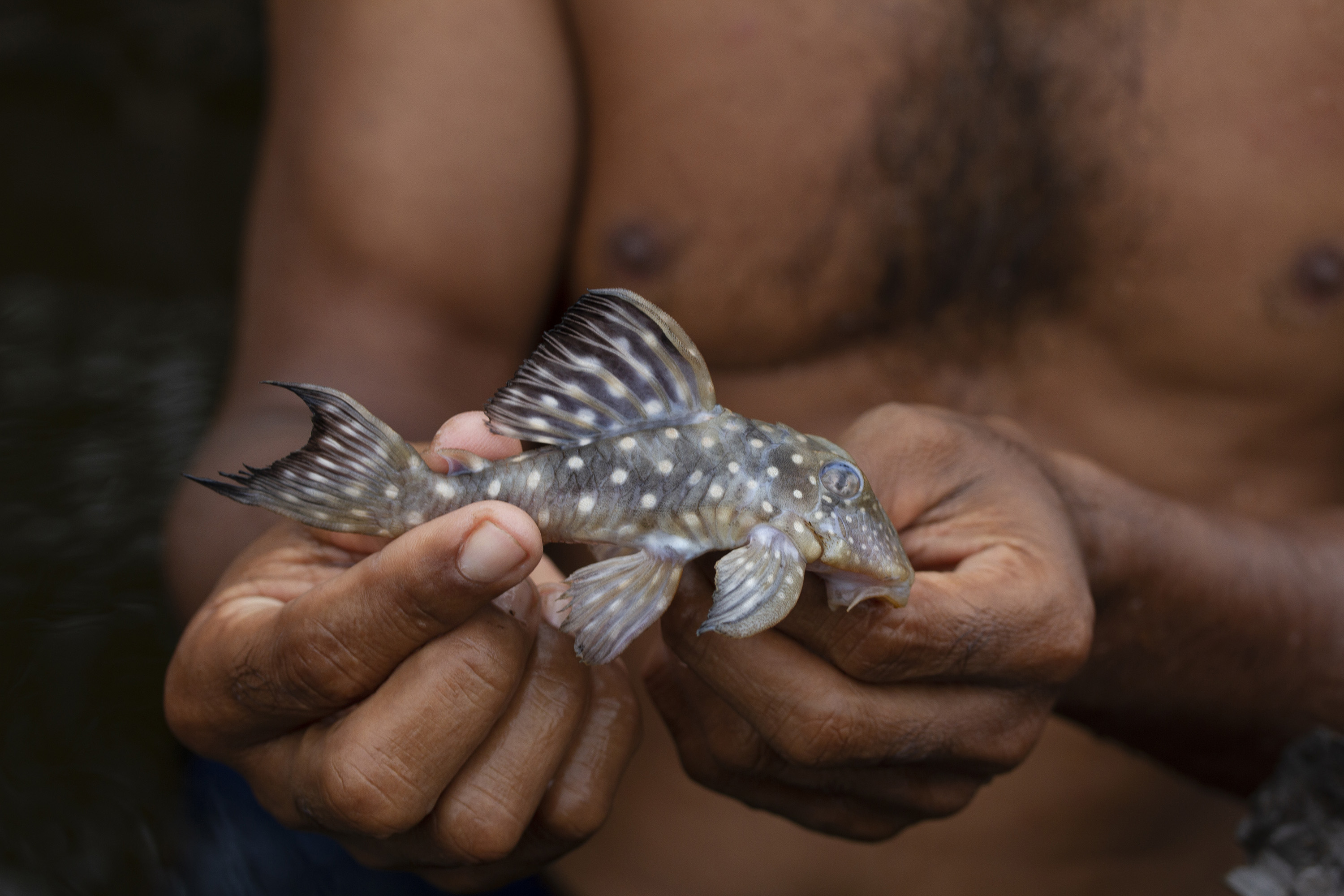
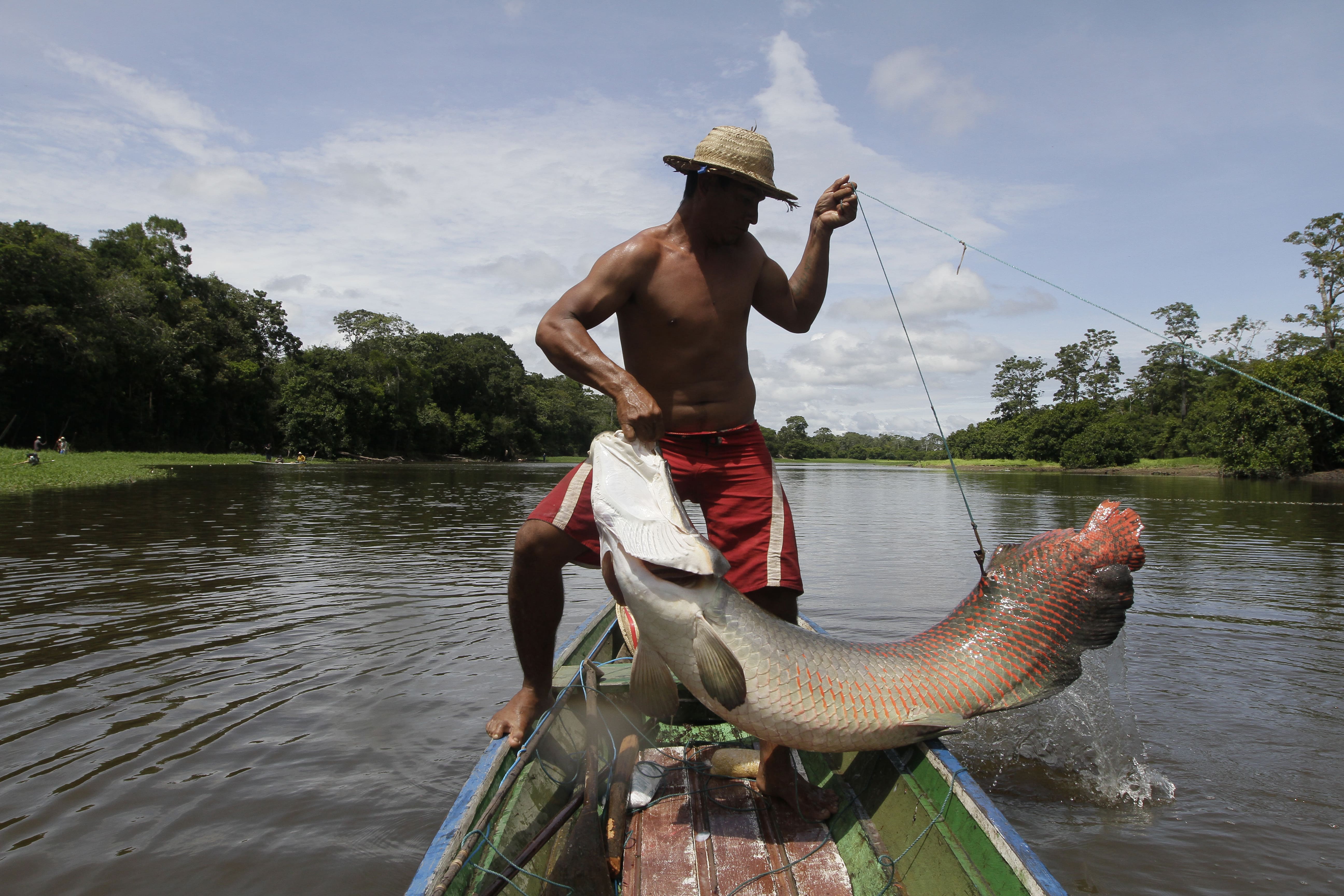
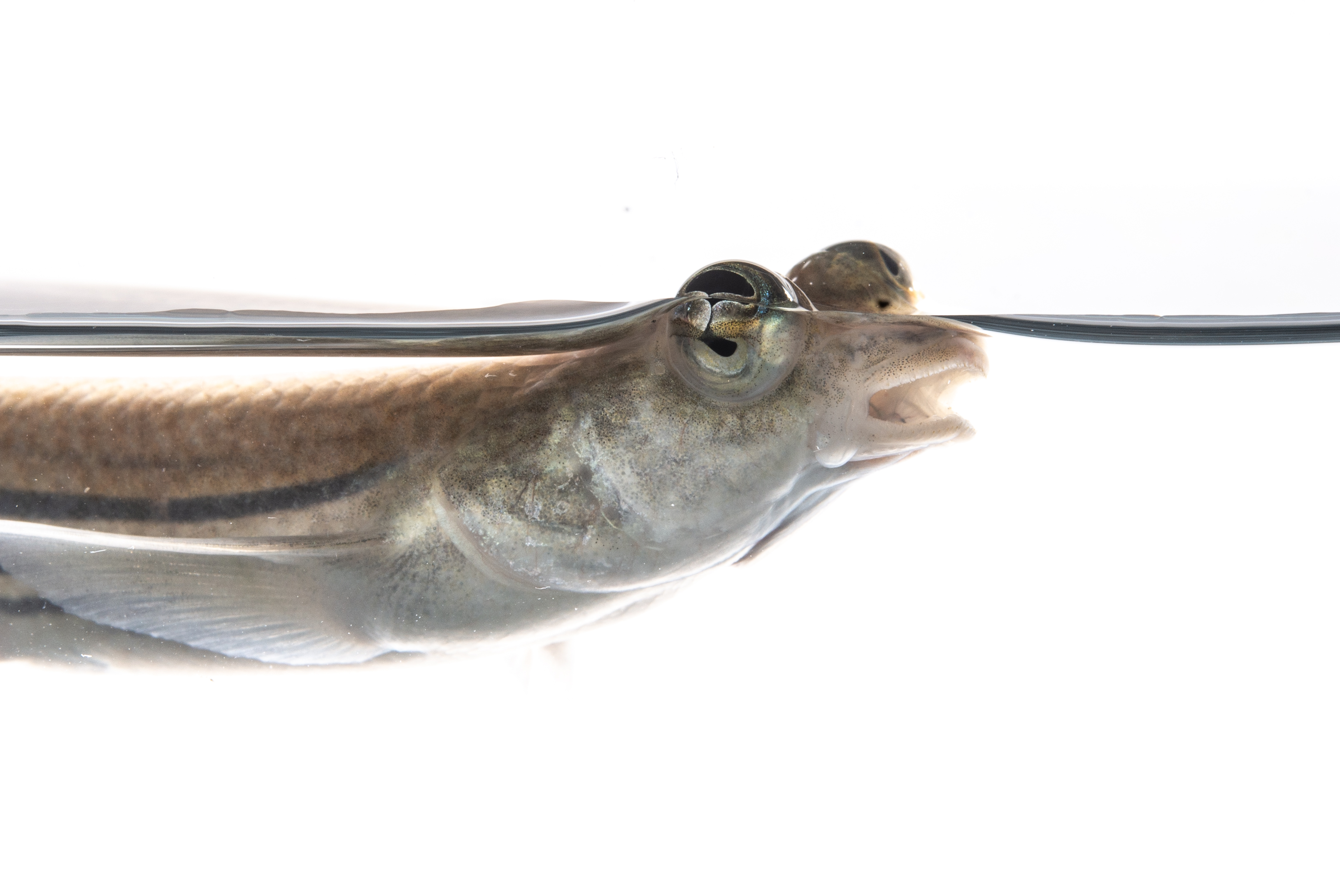
Fishes in Peril
Despite their importance, Amazonian fishes face growing and compounding pressures from dams, deforestation, pollution, overfishing, invasive species, and climate change.
Biodiversity Decline
Around the world, freshwater biodiversity is declining faster than biodiversity in any other ecosystem.
We Must Act Now
In only a few decades, freshwater wildlife populations have declined by an average of 85 percent.
The health of the Amazon basin depends on cross-border cooperation.

A Plan for Recovery
There is also hope: we know what to do. The fate of Amazonian fish depends on our ability to understand the basin as an interconnected and constantly flowing system.
The Emergency Recovery Plan, developed by 25 authors from 14 organizations, highlights the global freshwater biodiversity crisis and outlines six priority actions to guide policy aimed at reversing biodiversity loss.
- Let rivers flow more naturally
- Protect and restore connectivity
- End the unsustainable practices
- Protect critical habitats and species
- Prevent biological invasions
- Improve water quality
Across all six actions, three principles are essential: think at the scale of the basin, place Indigenous Peoples and local communities at the center, and connect science and knowledge to policy and investment.